 Languages
The latex pillow market is mixed, with prices ranging from tens to hundreds of yuan. Many pillows marketed as "natural latex" are actually made of synthetic latex (styrene-butadiene rubber) mixed with fragrances. They offer poor support and may irritate the respiratory tract with long-term use. A word of caution on marketing claims: "100% pure natural latex" does not exist. Vulcanizing agents and other additives are required for foaming; products with over 90% natural latex content are already premium quality. Stay extra vigilant when you see buzzwords such as "graphene latex" or "third-generation technology".
With the methods below, ordinary consumers can quickly tell genuine products from fakes.
Check the colour and texture. Natural latex is not bright white; it is pale yellow or milky white, with natural skin-like texture and fine wrinkles, and soft reflection. If a pillow is dazzlingly white and mirror-smooth on the surface, it is most likely synthetic rubber or low-grade product filled with talcum powder.
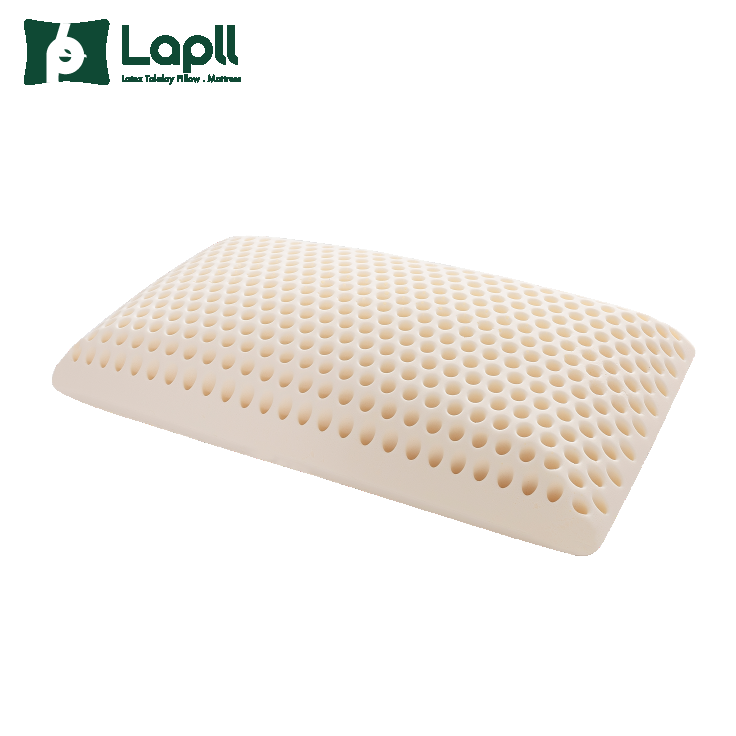
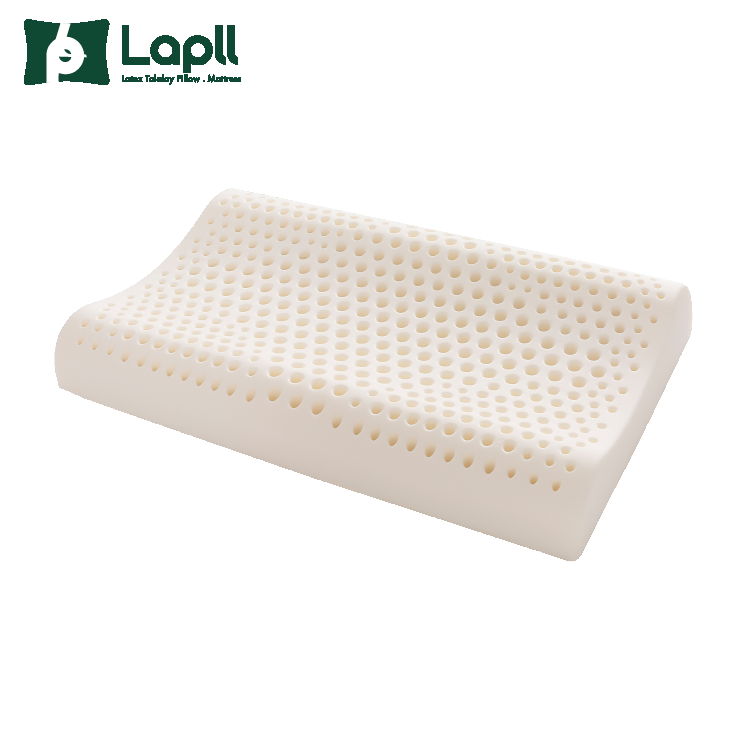
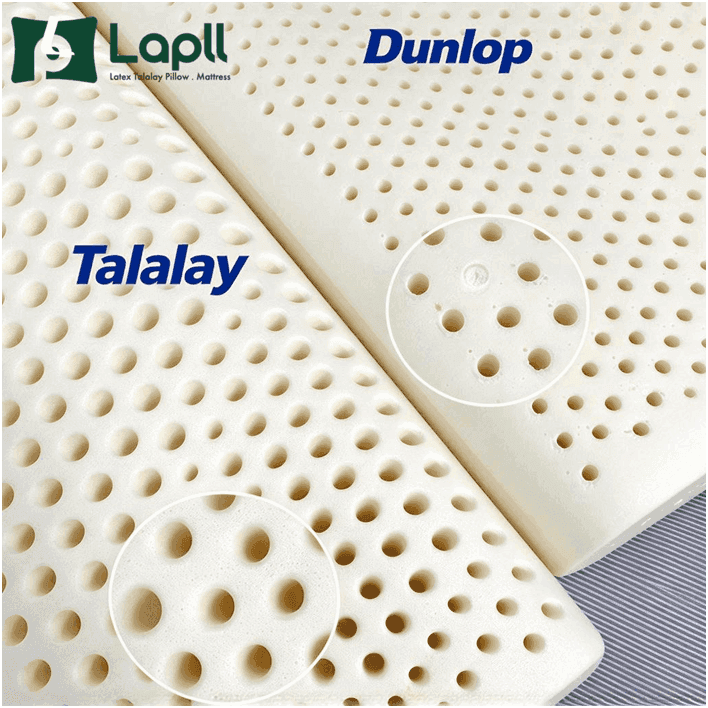
Also examine the pore structure. There are two mainstream foaming processes for natural latex: Dunlop and Talalay. Dunlop uses chemical foaming agents, resulting in slightly uneven pores and a denser base. Talalay adds vacuum expansion and freeze-setting steps to form evenly distributed honeycomb open cells. Whichever process is used, genuine latex features fine pores and mould marks. If the core has no pores at all, it is dyed foam.
Natural latex has a faint, mild rubbery aroma, like milk mixed with wood, non-irritating. To mask chemical odours, counterfeits are heavily scented, giving off a strong "milky" or pungent smell. Rule of thumb: subtle scent is normal, strong scent is suspicious, sharp odour means fake.
Press the pillow firmly and release quickly. Genuine natural latex bounces back rapidly like ripples and regains its shape. Synthetic latex and memory foam rebound slowly and retain obvious indentations. When side-sleeping, authentic latex fits the neck curve with stable support, while fakes either sag or feel rigid.
Natural latex has limited toughness. A small section at the edge can be torn with force. Synthetic rubber with reinforcing agents is harder to tear. Therefore, the claim "cannot be torn" may be a red flag for counterfeit.
The easiest way to avoid fakes is to pick a reliable supplier from the source. Lapll works closely with a factory boasting 27 years of OEM experience in China, offering both Talalay Pillow and Dunlop latex pillow Mattress . The whole production chain, from raw latex formulation to foaming and vulcanization, is traceable. We do not rely on one single process for all customers. Instead, we recommend the best solution based on your preferred feel and budget — professional, unbiased advice. Third-party test reports are available for every batch of Lapll products, clearly stating natural latex content and physical properties. Choosing Lapll means choosing verifiable quality.
Synthetic latex (SBR, styrene-butadiene rubber) may contain residual monomers and harmful volatile substances, posing health risks with prolonged exposure. Infants and allergy-prone people are advised to opt for natural latex bedding.
A faint milky aroma is natural for genuine latex. Strong or sharp fragrance is likely added flavouring used to cover chemical odours, which warrants caution.
Slight yellowing from oxidation when natural latex contacts air is normal. However, large-scale powdering and crumbling in a short time without water exposure or sunlight exposure indicates poor raw materials or flawed production.
Not necessarily. Talalay has a high open-cell rate, soft, springy and highly breathable. Dunlop feels firmer, offers stronger support and is more cost-effective. Go for Talalay if you tend to feel hot and sweat easily; choose Dunlop if you prefer a firmer pillow. Personal comfort is the priority.
Raw natural latex is costly. With foaming, vulcanization, rinsing and other processes, the factory cost of a real natural latex pillow is far higher than that price. Do not take chances.
Have a question about our latex pillows or bulk orders?
Send us an email with your requirements, and our experienced team will get back to you shortly with a tailored solution.