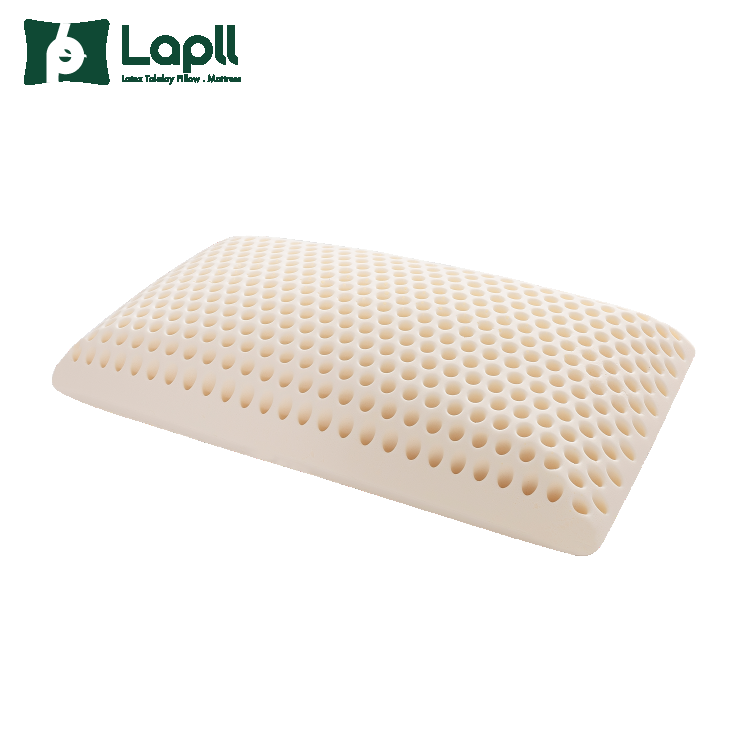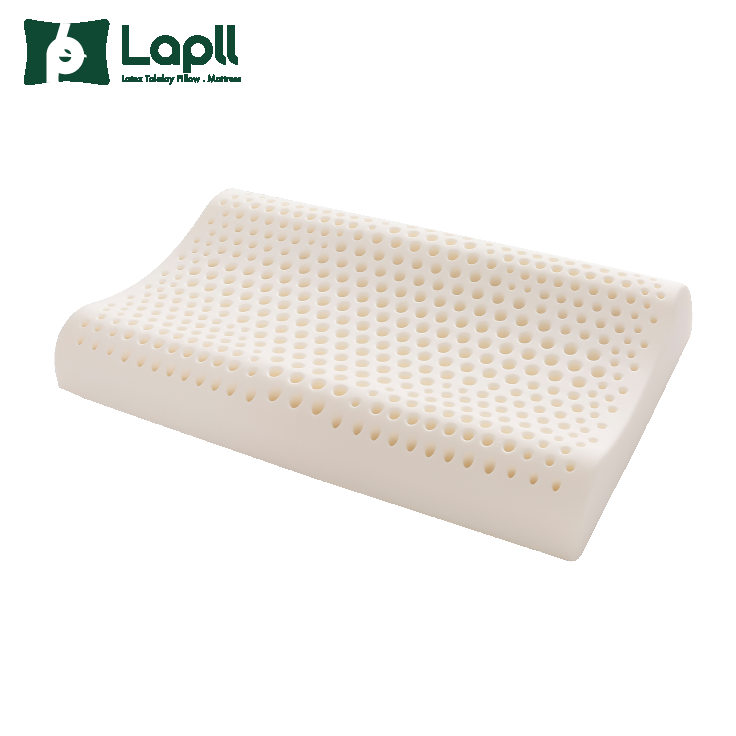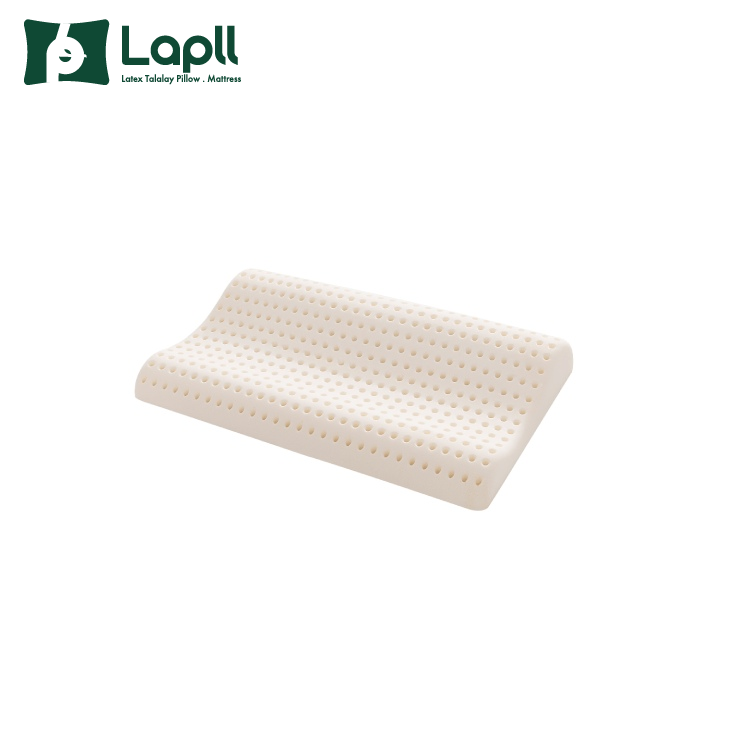
Lapll Natural latex pillows , particularly those with Talalay process cores, are core components of high‑quality sleep support systems. They are responsible for maintaining the natural physiological alignment of the cervical spine and vertebral column throughout the night, ensuring uniform pressure distribution on the head and effective dissipation of heat in the sleep micro‑environment. These products are widely used in home bedrooms, high‑end hotels, medical rehabilitation centers, and travel scenarios.
GET A FREE QUOTE NOW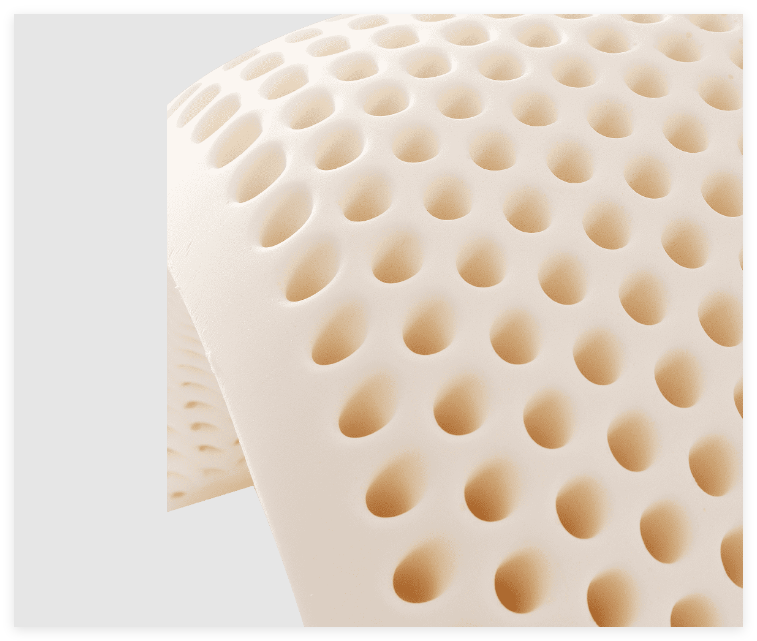
In actual sleep conditions, latex pillows continuously face the following engineering challenges:
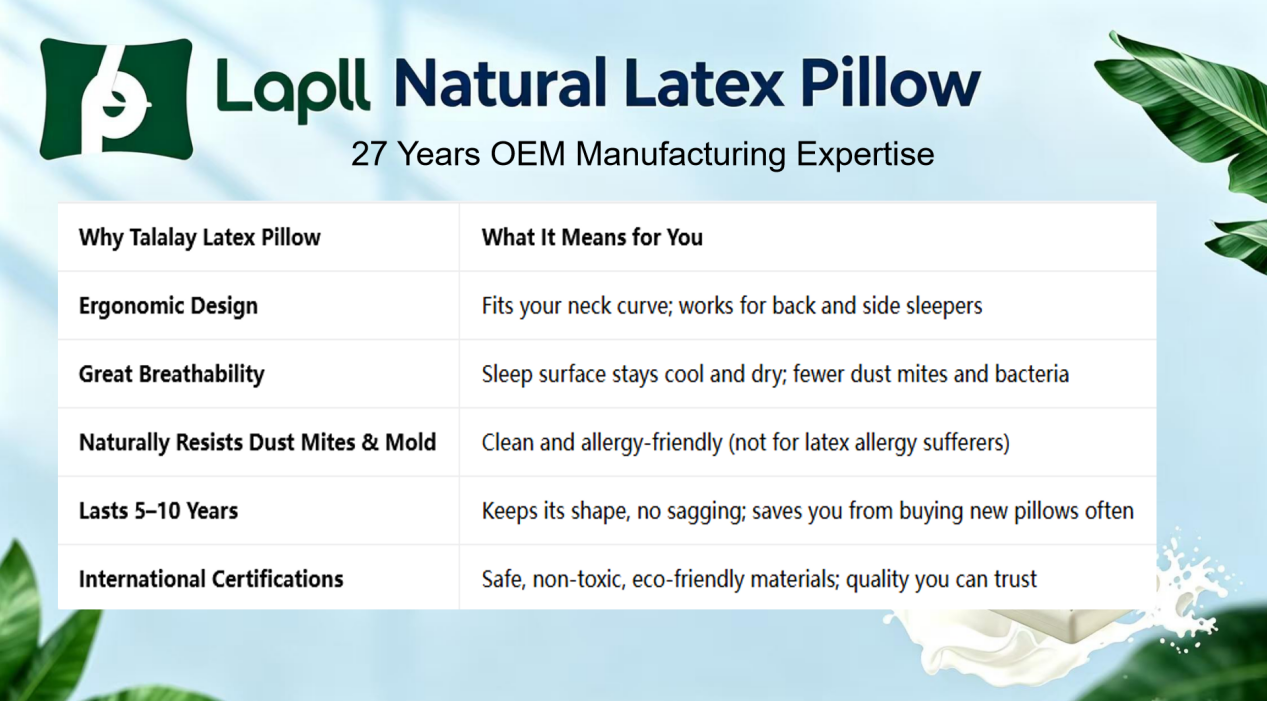
Due to these stringent conditions, pillow failure rarely stems from aesthetic design flaws but is more often attributed to degradation of internal material structures—such as loss of breathability due to closed pores, rebound attenuation from polymer chain breakage, and hygiene hazards from mold and mite infestations within pores.
Engineering Conclusion: The long‑term performance and durability of pillows are primarily determined by the integrity of their internal microscopic pore structure, rather than external contour design.
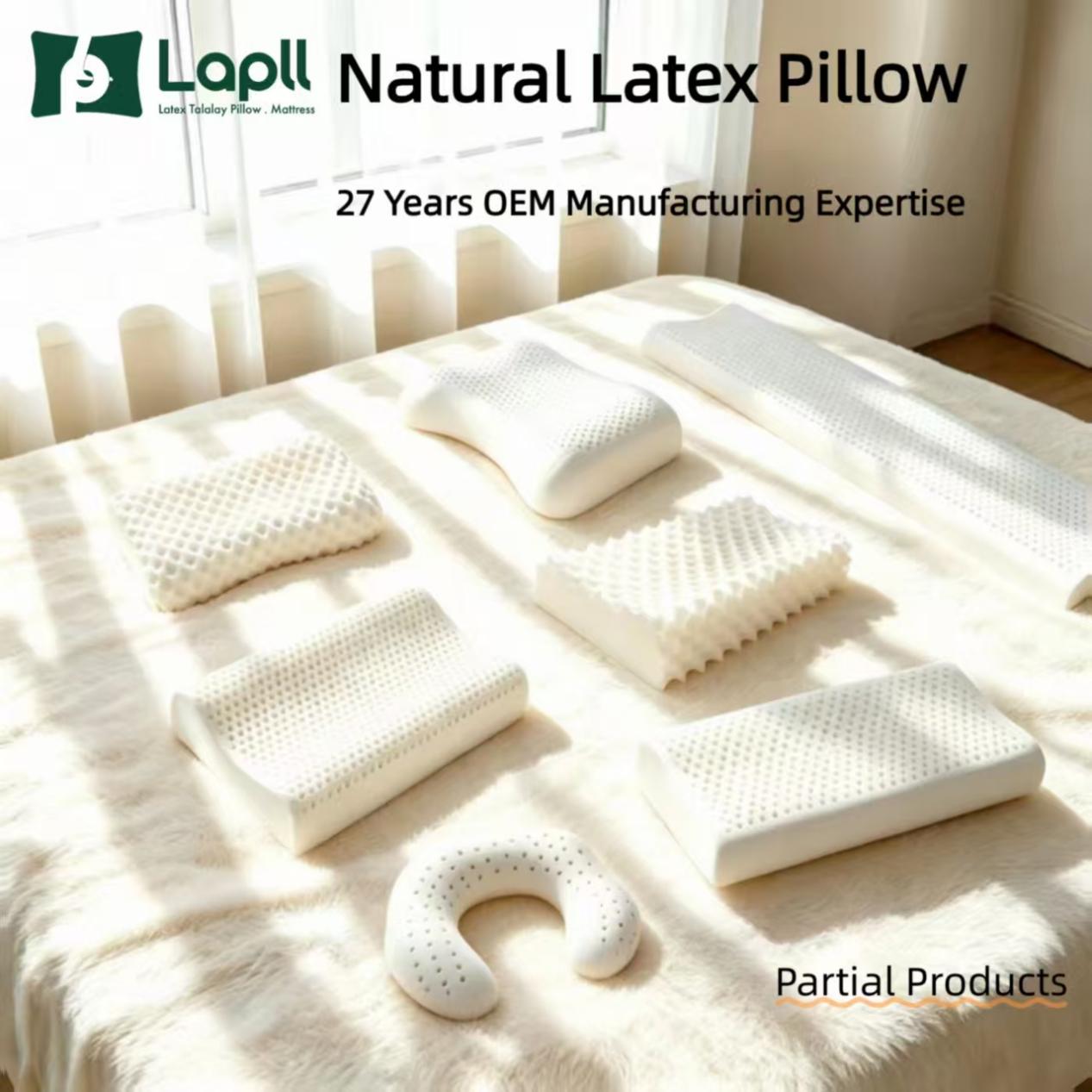
Lapll offers a full range of standard and custom natural latex pillows, including bread loaves, wave cervical pillows, wolf‑tooth massage pillows, children's pillows, double pillows, U‑shaped travel pillows, and shredded latex filling products. All are precision‑manufactured using the second‑generation Talalay physical foaming process.
The 2nd‑generation Talalay process fundamentally alters the internal microstructure of Lapll natural latex by applying controlled vacuum expansion and -45°C flash freezing for shaping. This creates a highly regular open‑cell honeycomb network while eliminating material defects.
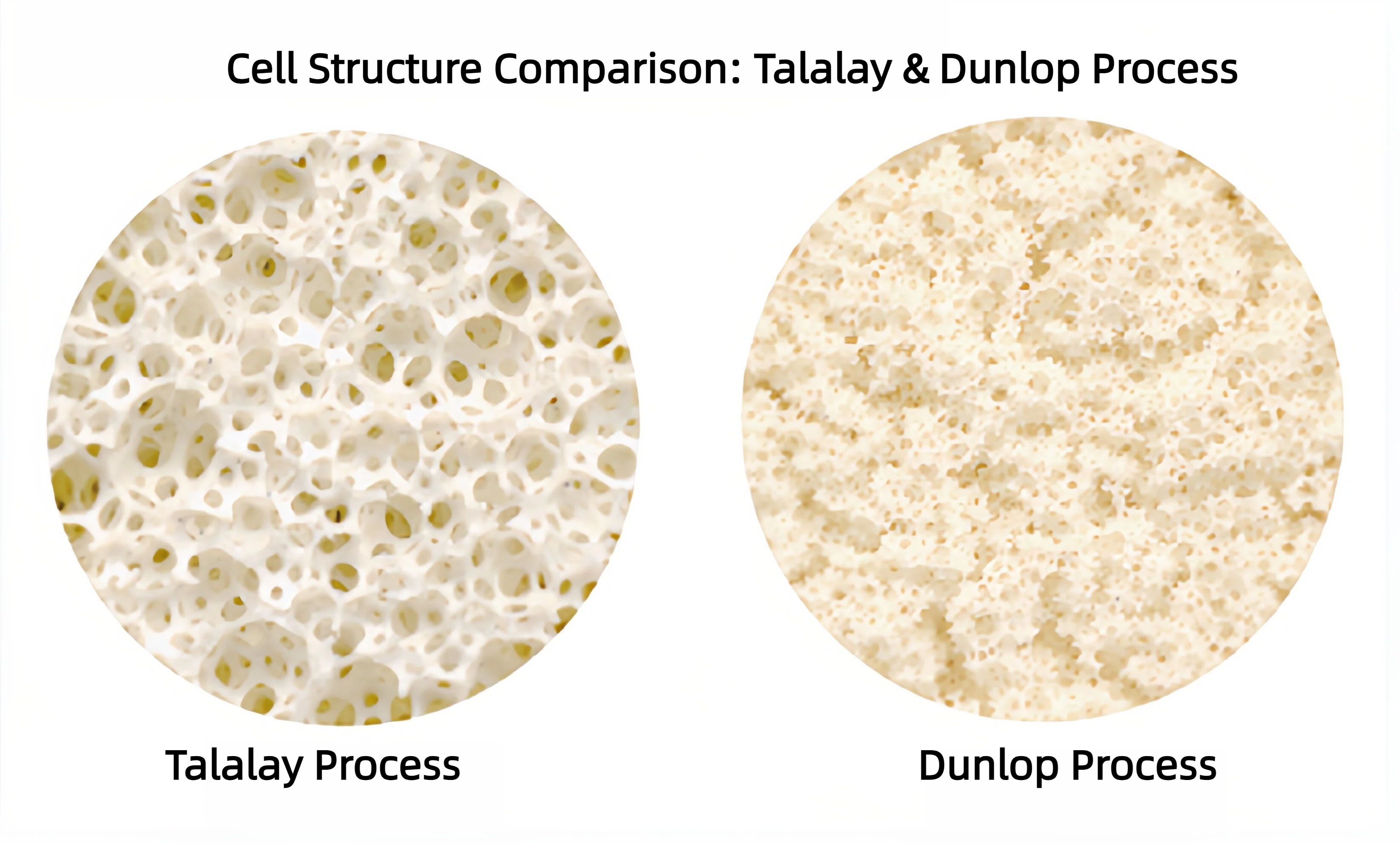
① Cell Network Optimization
Vacuum expansion and cryogenic flash freezing generate continuous, uniform open‑cell pathways whose geometry follows human pressure curves. This significantly enhances head and neck pressure distribution efficiency, maintaining natural spinal alignment whether sleeping on the back or side.
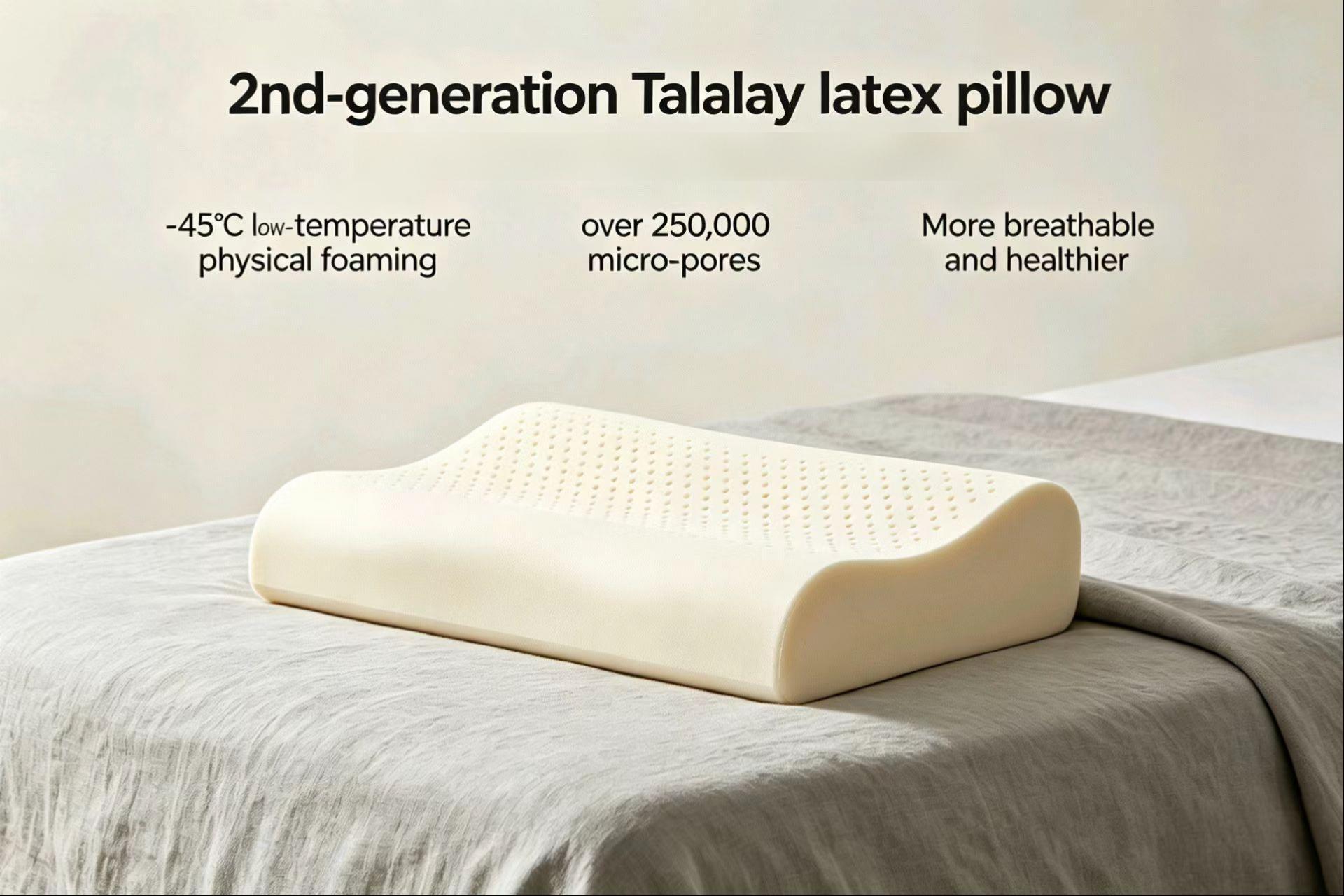
② Closed‑Cell Elimination Mechanism
Internal closed cells and bubbles formed during traditional chemical foaming are thoroughly opened and interconnected during the -45°C flash freezing and CO₂ physical shaping stages. This results in a fully permeable 3D honeycomb matrix, ensuring no heat buildup and all‑night dry breathability.
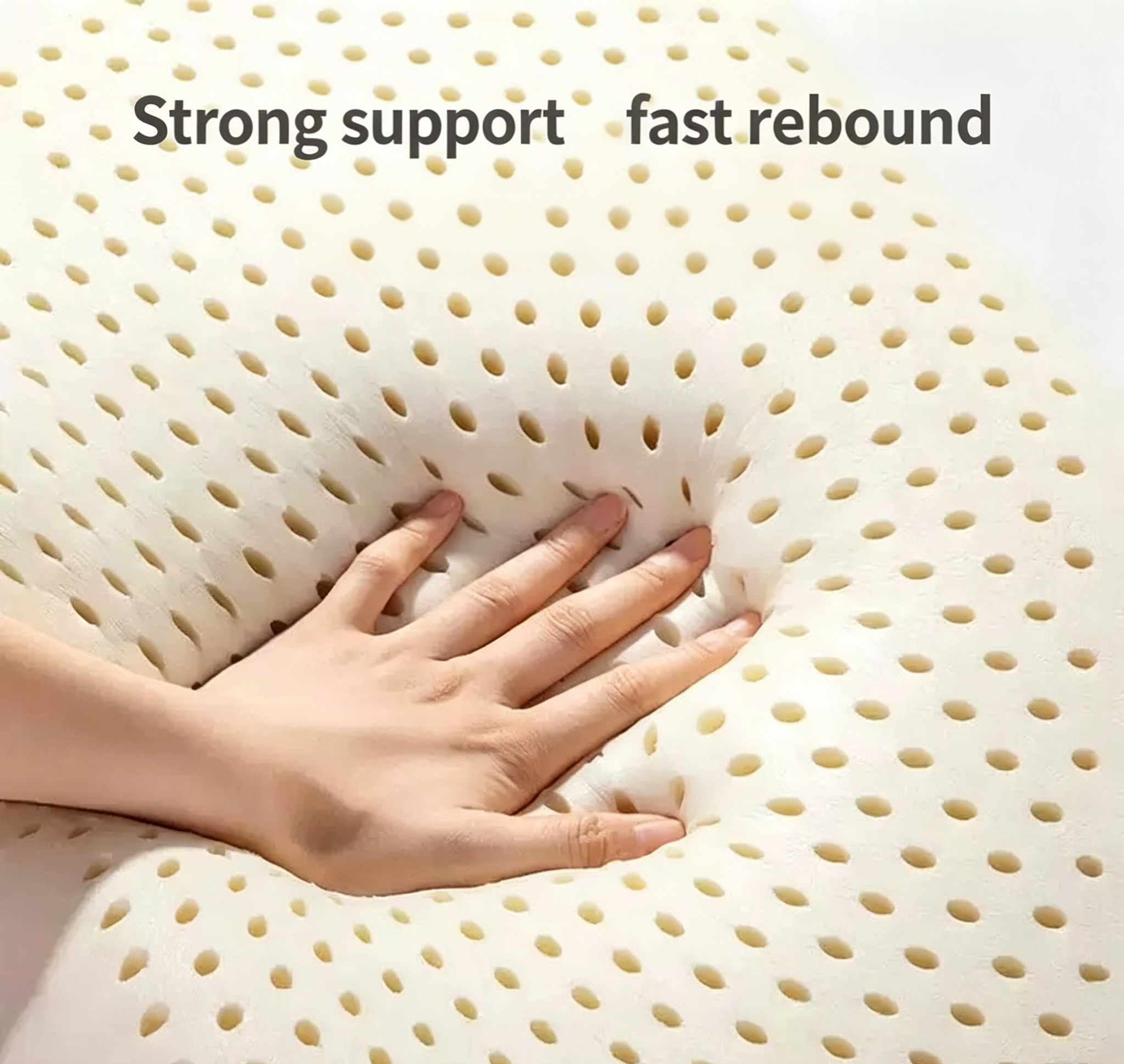
③ Rebound Fatigue Resistance
Lapll focuses on eliminating internal defects (closed pores, bubble wall rupture points) to reduce stress concentration and collapse initiation points. After thousands of repeated compression‑rebound cycles, the honeycomb structure can still maintain its original shape and support, thereby significantly extending the pillow's lifespan.
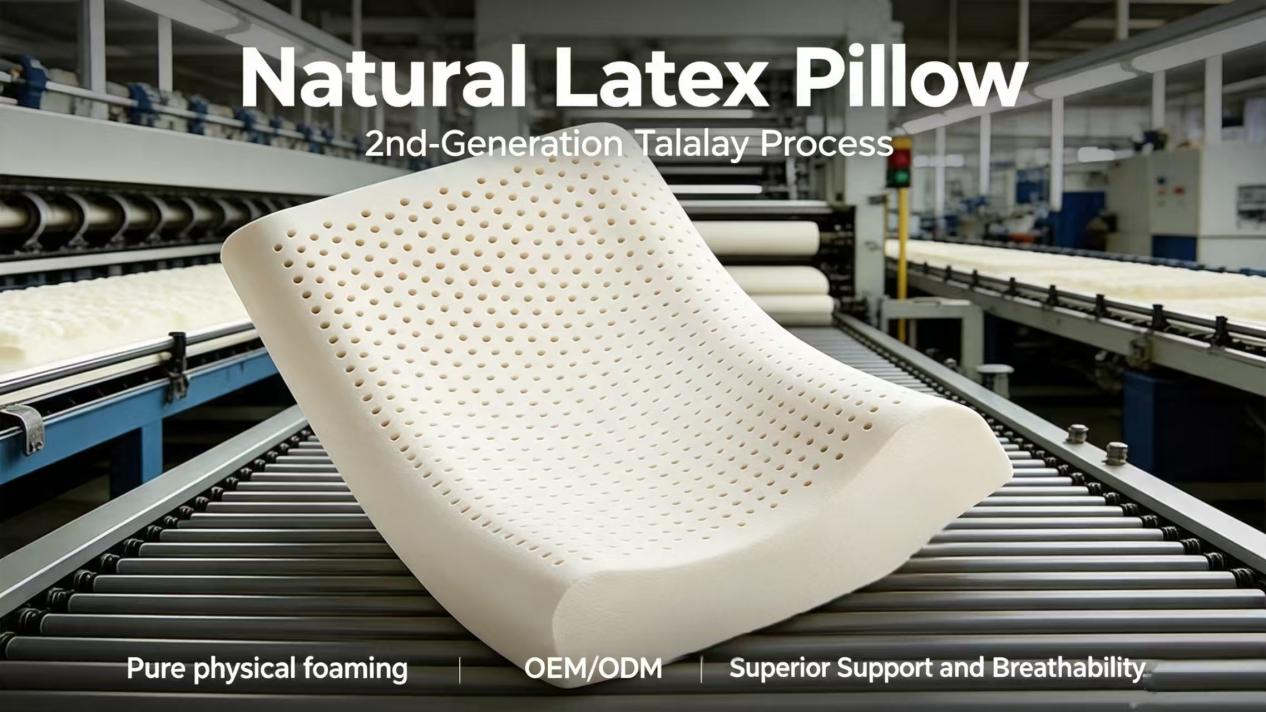
Sleep surfaces operate in mission‑critical environments where comfort failure is not acceptable. System performance depends on breathability, pressure relief, thermal regulation, and structural endurance.
| Property / Aspect | Memory Foam Pillow | Standard Dunlop Latex Pillow | 2nd‑Generation Talalay Latex Pillow |
|---|---|---|---|
| Typical breathability (open‑cell rate) | ~3–5% (closed‑cell polyurethane structure) | ~60–70% (semi‑open cell matrix) | ~99.9% (fully open‑cell honeycomb, 250,000+ micropores/in³) |
| Rebound resilience | Slow recovery, sinking sensation | Moderate, firm bounce‑back | Instant buoyant rebound, adaptive to head & neck contour |
| Thermal regulation | Poor — traps body heat ("sleeping hot") | Moderate — some heat dissipation | Excellent — 3D ventilation network wicks moisture and maintains temperature neutrality |
| Durability (functional lifespan) | 2–5 years (progressive softening & sagging) | 5–7 years (gradual hardening) | 8–10 years (molecular structure locked by -45°C flash freezing) |
| Hypoallergenic properties | Requires chemical additives; dust‑mite prone | Naturally resistant to mites & mold | Inherently anti‑mite, anti‑mold, and antimicrobial |
| Chemical residue | VOCs, TDI, flame‑retardant chemicals | Low (chemical foaming agents may remain) | None — CO₂ physical foaming, zero chemical blowing agents |
| Ergonomic adaptability | Conforms to shape but lacks push‑back support | Firm support, limited contouring precision | Balanced contouring + buoyant support; maintains cervical spinal alignment |
| Weight | Heavy | Medium | Light to medium |
| Cost (unit price) | Low to medium | Medium | Medium to high (premium positioning) |
| Advantages summary | Low cost, widely available | Natural material, cost‑effective, decent support | Maximum breathability, zero chemical residue, superior durability, optimal spinal support |
| Property | Impact of 2nd‑Gen Talalay Process | Benefit to Sleepers |
|---|---|---|
| Breathability & Ventilation | Vacuum expansion combined with -45°C flash freezing creates a 99.9% open‑cell honeycomb structure with 250,000+ micropores per cubic inch, achieving up to 7× the airflow of standard latex and memory foam. | Eliminates heat and moisture buildup, maintaining a cool, dry sleep surface throughout the night and reducing night sweats. |
| Rebound Resilience & Support | The -45°C flash freeze locks the latex molecular structure, delivering instant buoyant rebound that adapts to head and neck contours without sinking or "bottoming out." | Maintains natural cervical spinal alignment in any sleeping position, relieving pressure points and reducing morning neck and shoulder stiffness. |
| Durability & Structural Integrity | CO₂ physical foaming eliminates internal closed‑cell defects and porosity; the stabilized molecular structure withstands thousands of compression‑release cycles. | Ensures consistent loft and support for 8–10 years without sagging, flattening, or softening, significantly extending product lifespan and reducing replacement costs. |
| Thermal Regulation | The 3D open‑cell network actively dissipates body heat and wicks away perspiration, unlike closed‑cell materials that trap warmth and humidity. | Creates a temperature‑neutral microclimate, preventing the "sleeping hot" sensation common in memory foam and down alternatives. |
| Hypoallergenic Properties | Natural latex is inherently resistant to dust mites, mold, and mildew; the physical foaming process introduces zero chemical irritants into the matrix. | Provides a clean sleep environment suitable for allergy and asthma sufferers (excluding those with latex protein allergies), minimizing respiratory triggers and skin irritation. |
| Chemical Safety | Vacuum freezing + physical foaming replaces all chemical blowing agents (e.g., fluorocarbons, TDI); certified by OEKO‑TEX Standard 100 and ECO Institut. | Zero VOC off‑gassing or toxic residue upon unboxing, ensuring safe, odorless contact for sensitive skin and infant‑safe sleeping conditions. |
Why is Talalay latex more breathable than memory foam?
Because the second‑generation Talalay process uses vacuum expansion and -45°C flash freezing to create a 99.9% open‑cell structure with 250,000+ micropores per cubic inch, allowing continuous 3D air ventilation. Memory foam relies on closed‑cell polyurethane that traps heat and moisture.
What causes a latex pillow to lose support over time?
Most support loss originates from internal structural defects such as closed cells, uneven density, and broken cell walls, which create stress concentration points under cyclic head loading. Our physical foaming process eliminates these defects, maintaining rebound resilience for 5–10 years.
Can Talalay latex pillows help with neck and shoulder stiffness?
Yes. Talalay latex provides instant buoyant resilience that adapts to the head and neck without sinking, maintaining natural spinal curvature and evenly distributing pressure points—regardless of sleeping position.
Are natural latex pillows safe for allergy and asthma sufferers?
Natural latex is inherently resistant to dust mites, mold, and mildew, and is certified by OEKO‑TEX Standard 100 for harmful‑substance safety. However, individuals with a known latex protein allergy should avoid natural latex products.
Why does Lapll offer a low MOQ starting at 200 units?
Because we understand that inventory risk, not price, is often the biggest barrier for emerging brands. A 200‑unit entry point allows you to test real market conversion, split‑test multiple shapes, and launch private‑label branding without tying up capital in warehouse stock.
Does Lapll provide OEM/ODM services for private‑label brands?
Yes. We offer full‑process customization including mold development, density adjustment, fabric selection, logo application, and packaging design—from vacuum‑compressed bags to gift boxes—with dedicated technical support throughout.
 Languages