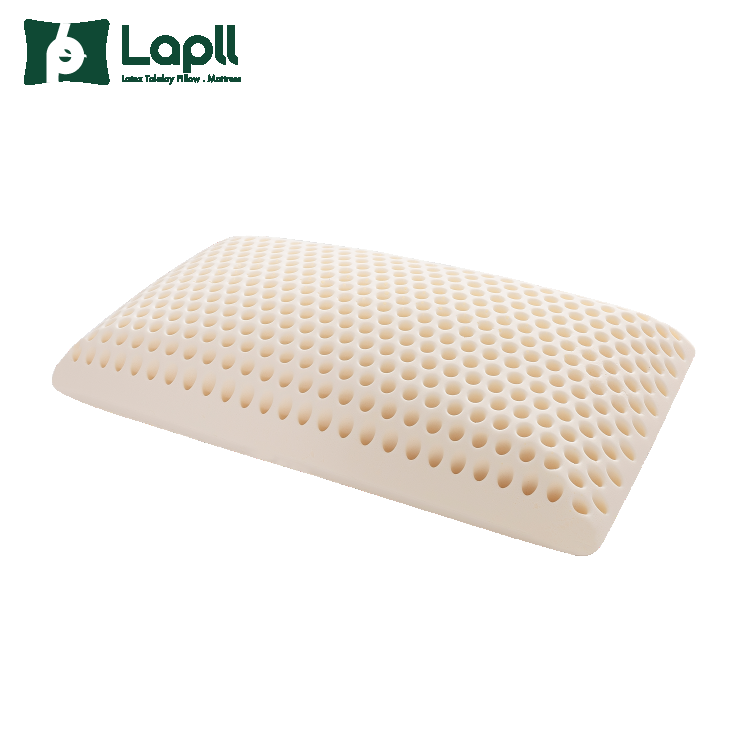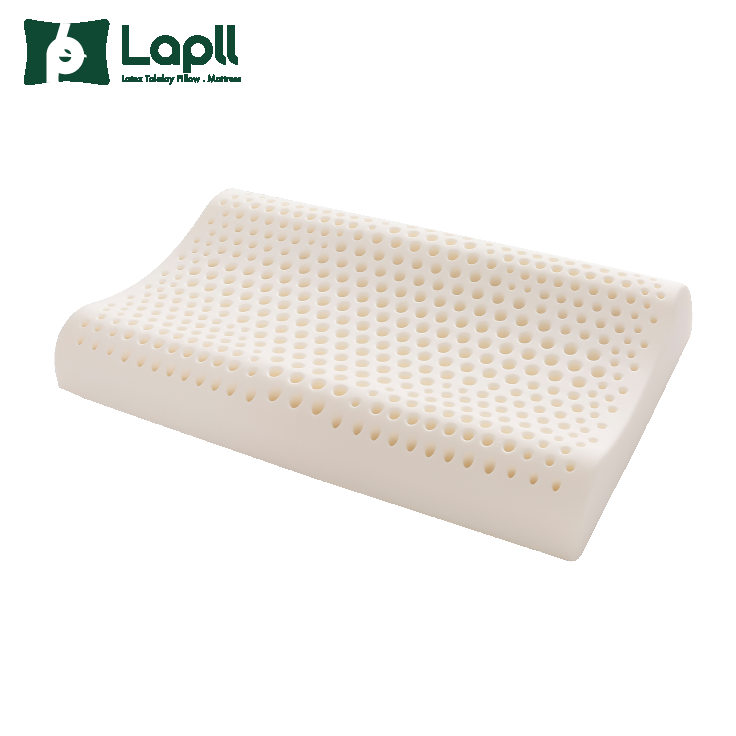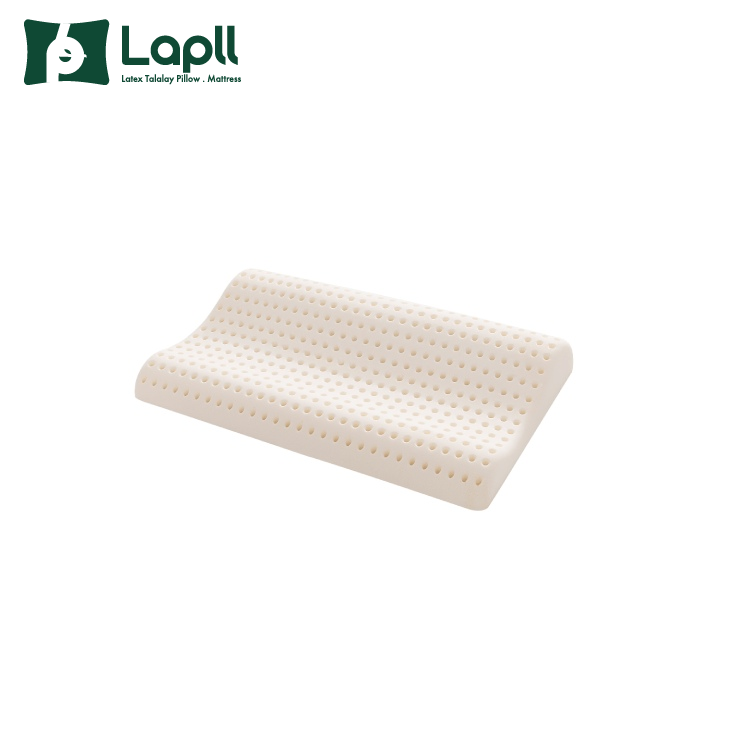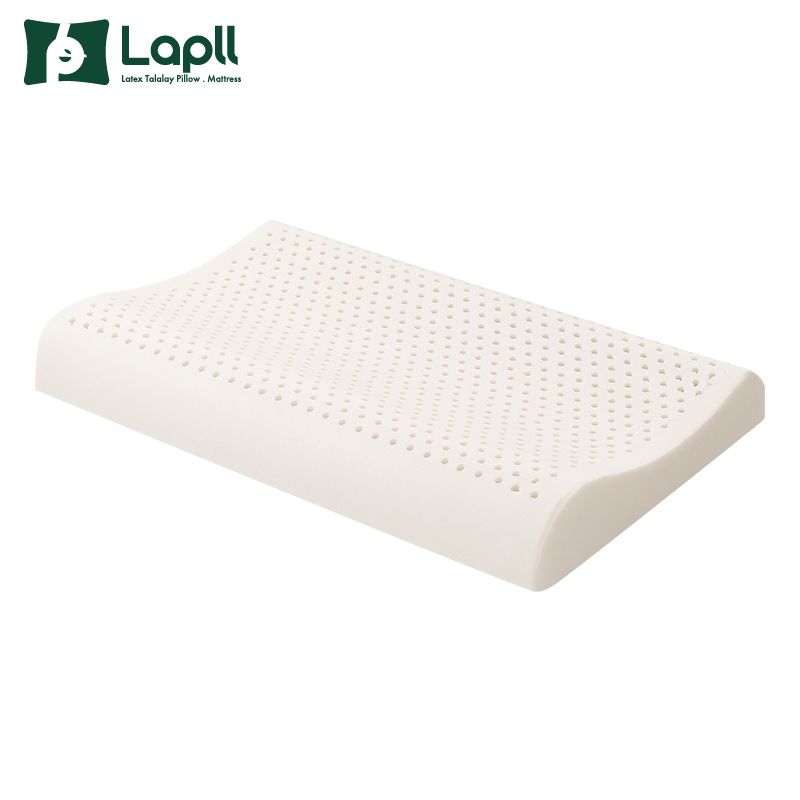
Note: At Lapll , first, I would like to clarify the meaning of this percentage parameter; there are two possible interpretations:
1. Source of natural latex: For many years, Lapll has used 100% natural latex solution—so you can rest assured.
2. Latex content: Since additional formulation ingredients must be added to transform natural latex into pillows, our latex content typically reaches up to 93%. We wish to clarify that this latex content percentage should not be construed in any way that could lead to misunderstanding.
Many people wonder when choosing a latex pillow: if a product claims to be "all-natural," why not simply make a 100% natural latex pillow? The answer, in fact, is quite simple—from a chemical standpoint, 100% pure latex simply cannot be molded into a shape. Today, we'll delve into the truth behind the "latex content" of latex pillows.
Natural latex is a milky-white liquid extracted from the rubber tree; it is as thin as milk and lacks inherent structural support. To transform it into an elastic, shaped pillow, it must be treated with vulcanizing agents and other additives, followed by a high-temperature vulcanization process.
The essential additives to be added during this process primarily include:
When these components are combined, the total amount of additives typically accounts for 5% - 7%; this means that, theoretically, the maximum permissible rubber content in natural latex is 93% - 95%. Any product on the market claiming to contain
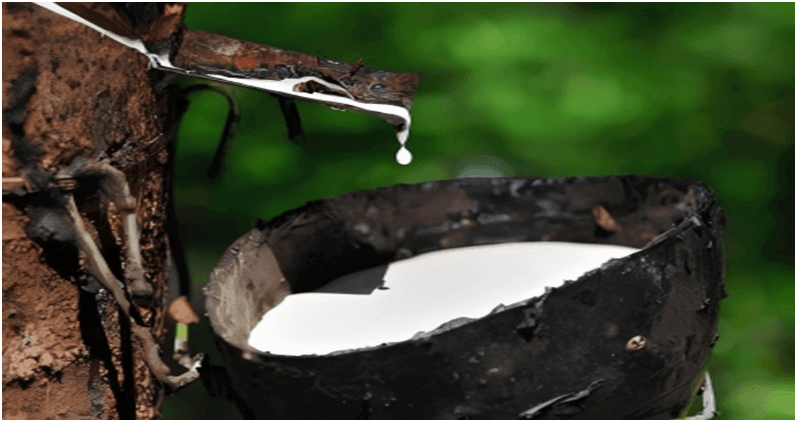 Natural latex collection — the milky liquid requires additives for vulcanization
100% natural latex" is either engaging in a conceptual misrepresentation or playing a linguistic trick; consumers should therefore remain vigilant.
The rubber content is not just a cold set of numbers; it determines the actual sleeping comfort and lifespan of the pillow:
Here, we must also mention a key term—Talalay process. This represents the most advanced physical foaming technology for latex products: initial vacuum foaming, followed by low-temperature shaping, and finally vulcanization. Compared to conventional processes, Talalay Latex Pillow , Talalay Latex Mattress , and Shredded Talalay Latex manufactured using the Talalay process exhibit more uniform pore structures, superior breathability, a soft yet resilient texture, and refined rebound characteristics. The Lapll latex pillows employ this high-end Talalay process, maximizing the potential of natural latex with high rubber content, ensuring that each pillow provides optimal cervical spine support—as if it were "breathing." Customized Hybrid Latex , Latex Topper , and Dunlop Latex Products are also available for different sleep preferences.
Under China's HG/T 5644 standard, a natural latex pillow can be classified as Class A if it contains 88% latex; however, the highest international certification, GOLS, requires 95% organic latex with a maximum of 5% additives. Both domestic and international standards recognize that latex pillows must include a dedicated space for additives; consequently, a product labeled "100% natural latex" cannot obtain certification under international standards.
Carefully selected natural milk collagen solution—every drop of additive is strategically applied to deliver optimal elasticity, support, and longevity. Powered by the advanced Talalay process, this formula contains no synthetic gels and eschews deceptive numerical claims.
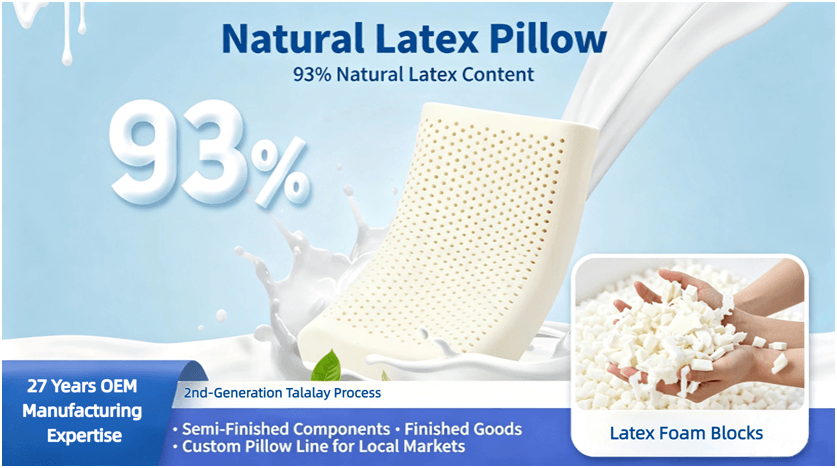 Lapll natural latex pillow — 93% natural latex content, 2nd-Generation Talalay Process
So, the next time you see claims of "100% natural latex," be sure to ask one more question: What is the actual natural latex content of the entire product? And what manufacturing process is used? A truly excellent pillow will provide you with the best answers—from nature and the Talalay process. Choose Lapll : choose natural quality sleep that stands up to scrutiny. Whether you need a Talalay Latex Pillow , Talalay Latex Mattress , Shredded Talalay Latex , Customized Hybrid Latex , Latex To pper , or Dunlop Latex Products , Lapll has the right solution for you.
 Languages